
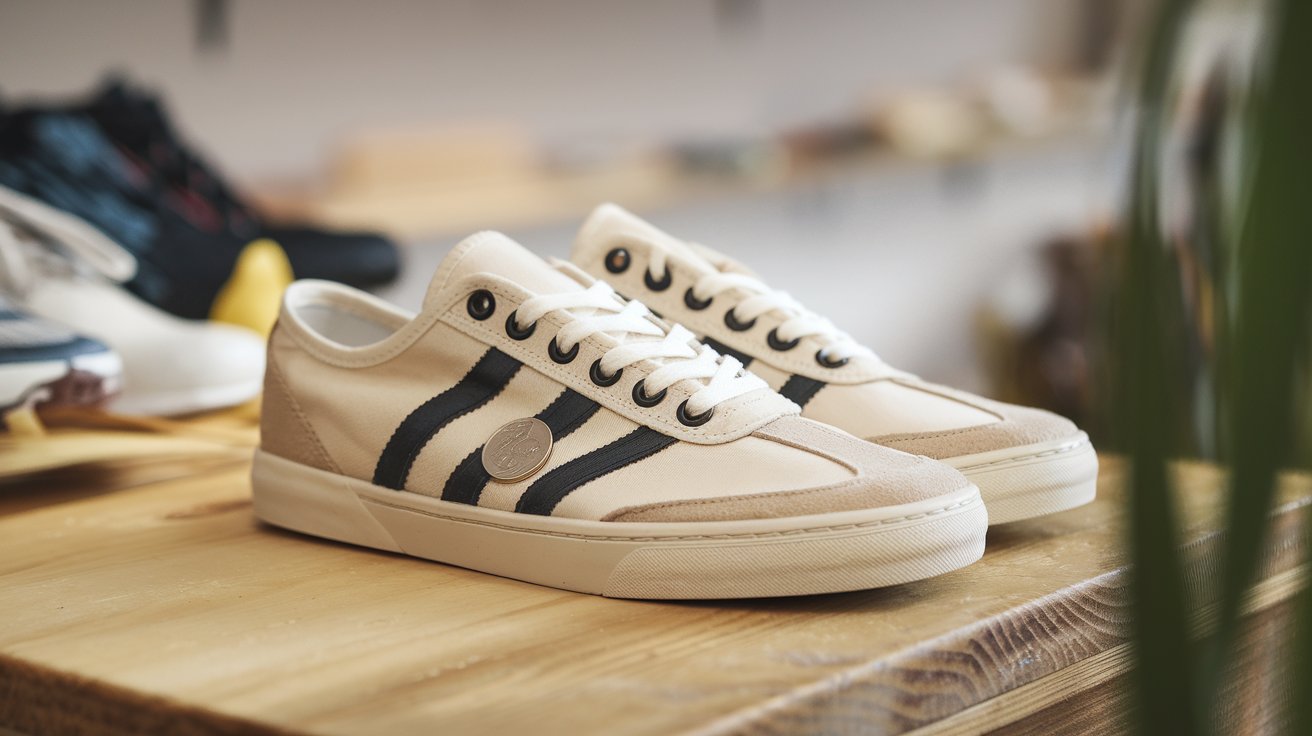
Common Projects sneakers command prices between $400-600, making them among the most expensive minimalist footwear on the market. The high cost stems from Italian handcrafted construction, premium leather sourcing, and the brand’s luxury positioning strategy that targets discerning consumers willing to pay for exceptional quality and timeless design.
Premium Materials Drive High Common Projects Costs
Common Projects uses only the finest materials available, which significantly impacts their pricing structure. The brand sources premium Italian leather from renowned tanneries in Tuscany, with each hide carefully selected for grain consistency and durability. This leather costs approximately 300-400% more than standard sneaker materials used by mass-market brands. The rubber soles are manufactured using high-grade compounds that provide superior longevity compared to typical sneaker soles.
Beyond leather quality, Common Projects incorporates luxury hardware and components throughout their construction. The metal eyelets are crafted from brass or stainless steel, while the laces use premium cotton with reinforced tips. These materials contribute to the overall durability but add substantial cost to the manufacturing process, with material costs alone accounting for approximately 40-45% of the final retail price.
Italian Craftsmanship and Manufacturing Excellence
The production process for Common Projects takes place in specialized factories in Italy’s Marche region, known for producing luxury footwear for high-end fashion houses. Each pair requires skilled artisans who complete approximately 80-100 individual steps during construction, compared to 20-30 steps for standard sneakers. This labor-intensive process involves hand-lasted construction techniques that ensure superior fit and longevity.
Italian manufacturing costs are substantially higher than Asian alternatives, with labor rates approximately 8-10 times more expensive than typical sneaker production locations. The quality control standards in these Italian facilities are exceptionally rigorous, with each pair undergoing multiple inspections before approval. This attention to detail results in defect rates below 1%, but significantly increases production costs and timeframes.
Hand-Lasting Construction Process
The hand-lasting technique used by Common Projects involves manually shaping each shoe over wooden lasts carved specifically for their silhouette. This process takes 3-4 times longer than machine-lasted construction but creates superior arch support and foot contouring. Skilled craftsmen use traditional techniques passed down through generations, ensuring each pair maintains the brand’s exacting standards for shape and comfort.
Quality Control and Finishing Standards
Every Common Projects sneaker undergoes extensive quality inspections, including stress testing for durability and visual examination of stitching consistency. The finishing process involves multiple stages of polishing and treatment to achieve the signature clean aesthetic. Any shoes failing to meet specifications are rejected, contributing to higher per-unit costs but ensuring consistent quality standards across all production.
Brand Positioning and Luxury Market Strategy
Common Projects deliberately positions itself within the luxury footwear segment, competing with brands like Maison Margiela and Saint Laurent rather than Nike or Adidas. This positioning strategy allows for premium pricing but requires substantial investment in brand development, marketing, and maintaining exclusivity. The brand limits production quantities to preserve scarcity and desirability among fashion-conscious consumers.
The company invests heavily in brand image and marketing through collaborations with high-end retailers, fashion shows, and celebrity endorsements. These marketing expenses, while not directly related to manufacturing, are factored into the final retail price. Additionally, the brand maintains selective distribution through premium retailers, which demand higher wholesale margins compared to mass-market channels.
Research and Development Investment Costs
Common Projects invests significantly in product development, spending approximately 18-24 months developing each new silhouette. The design process involves extensive prototyping and testing to achieve their minimalist aesthetic while maintaining structural integrity. This lengthy development cycle requires substantial upfront investment before any revenue generation, costs that must be recouped through higher retail prices.
The brand collaborates with specialized suppliers to develop custom components and materials not available off-the-shelf. These bespoke elements, from unique sole compounds to proprietary leather treatments, require minimum order quantities and specialized tooling that increase per-unit costs significantly compared to using standard industry materials.
Distribution and Retail Markup Structure
Common Projects utilizes a selective distribution model through high-end department stores and specialty boutiques, which typically demand wholesale margins of 50-60% compared to 30-40% for mass-market retailers. These premium retail partners provide the brand positioning and customer experience that supports luxury pricing but significantly impact the final consumer cost.
The brand also operates direct-to-consumer channels, including flagship stores in major cities like New York and Los Angeles. While these direct sales channels offer higher margins, they require substantial investment in retail operations, prime real estate, and specialized staff training. These operational costs are reflected in the overall pricing strategy across all distribution channels.
Flagship Store Operations
Common Projects flagship stores are located in premium retail districts with rent costs exceeding $200-300 per square foot annually. These locations provide brand visibility and customer experience but require significant investment in interior design, fixtures, and ongoing operational expenses that contribute to overall product pricing.
Premium Retailer Partnerships
The brand’s partnerships with retailers like Barneys, Nordstrom, and international luxury department stores require substantial marketing support and promotional investments. These partnerships provide market access but demand higher wholesale prices to accommodate retailer margins while maintaining brand positioning in the luxury segment.
Longevity and Cost Per Wear Analysis
Despite high initial costs, Common Projects sneakers often provide superior long-term value when analyzed on a cost-per-wear basis. Independent testing shows these shoes maintain structural integrity for 3-5 years of regular use, compared to 6-18 months for typical sneakers. This durability stems from premium materials and construction methods that resist common failure points.
Many owners report wearing their Common Projects for over 300-400 times before replacement, resulting in a cost-per-wear of approximately $1.00-1.50 for a $450 pair. While this exceeds mass-market alternatives initially, the longevity often provides comparable or superior value over time, particularly for consumers who appreciate the consistent aesthetic and comfort throughout the shoe’s lifespan.
Comparing Common Projects to Alternatives
When comparing Common Projects to other premium sneakers, the price differential becomes more understandable. Luxury brands like Golden Goose and Maison Margiela offer similar pricing at $400-600, while mid-tier alternatives like Stan Smiths or Vans typically retail for $60-120. The price jump reflects the transition from mass-produced to artisanal manufacturing methods.
However, some consumers find comparable quality in brands like Koio or Greats, which offer similar construction methods and materials at 20-30% lower prices. These alternatives often sacrifice brand prestige and certain finishing details but provide similar durability and comfort characteristics for budget-conscious buyers seeking premium sneaker quality.
Related video about why are common projects so expensive
This video complements the article information with a practical visual demonstration.
Most asked questions about why are common projects so expensive
Why are Common Projects sneakers so expensive compared to regular sneakers?
Common Projects cost $400-600 because they use premium Italian leather, hand-crafted construction in Italy, and maintain luxury brand positioning. The materials alone cost 300-400% more than standard sneaker materials, while Italian manufacturing adds significant labor costs compared to mass-production facilities.
Are Common Projects made in China or Italy?
Common Projects are manufactured in Italy’s Marche region, specifically in specialized factories known for luxury footwear production. The brand has never used Chinese manufacturing, maintaining Italian production to ensure quality standards and support their premium positioning.
How long do Common Projects sneakers typically last?
Common Projects typically last 3-5 years with regular wear, significantly longer than mass-market sneakers that last 6-18 months. The premium leather and construction methods resist common failure points, with many users reporting 300-400 wears before replacement becomes necessary.
What makes Common Projects special compared to other luxury sneakers?
Common Projects distinguishes itself through minimalist design, consistent quality control with defect rates below 1%, and specialized Italian craftsmanship involving 80-100 construction steps. The brand’s selective distribution and 18-24 month development cycle for each model also contribute to their exclusivity.
How can you spot fake Common Projects sneakers?
Authentic Common Projects feature precise stitching patterns, high-quality leather with consistent grain, and accurate serial number placement. Fakes typically have irregular stitching, inferior leather quality, incorrect font sizing on numbers, and poor overall finishing compared to the genuine Italian craftsmanship.
Are Common Projects still considered cool in 2024?
Common Projects remain popular in 2024 among fashion enthusiasts and minimalist style advocates. While trends evolve, their timeless design and quality construction continue attracting consumers who value understated luxury and long-term wardrobe investments over fast fashion alternatives.
| Cost Factor | Details | Price Impact |
|---|---|---|
| Premium Materials | Italian leather, premium hardware | 40-45% of retail price |
| Italian Manufacturing | Hand-crafted, 80-100 construction steps | 8-10x higher labor costs |
| Brand Positioning | Luxury segment, limited distribution | 50-60% retail markup |
| Development Costs | 18-24 month design cycles | Amortized in pricing |
| Durability | 3-5 year lifespan | $1.00-1.50 cost per wear |

